

Life Skills are
Future Skills
To promote, support and evaluate transversal key competences, thereby improving the future prospects and educational opportunities of all children and young people.
eduQarte │ passion for learning
...is a not-for-profit organisation whose aim is to promote transversal key competences or soft/life skills. These cross-curricular competences – life skills – support lifelong learning in a world of learning and work characterised by rapid change and fundamental shifts.
Life Skills & transversal key competences
Life or Soft Skills are becoming increasingly important and support the acquisition of subject-specific skills and their practical application. In a dynamic working and developmental environment within the information society, skills such as creativity, critical thinking and problem-solving abilities are becoming increasingly important. Working models and learning methods are undergoing significant changes. The ability to work in a team, collaborative learning and working, project work and communication skills are essential in new working and learning environments and must therefore be systematically integrated into the learning process and the school learning environment.
Opportunities in education, training and careers
Furthermore, according to scientific studies, so-called ‘soft/life skills’ and socio-emotional skills can promote equitable access to education and realistic educational opportunities for all learners, regardless of their social background and circumstances. It is therefore important that the systematic development of these skills within the formal education system supports all learners.
According to numerous studies, transversal Life Skills can be particularly beneficial to learners who do not excel within the formal school assessment system, but who make up the difference through other skills that are crucial in practical working life: social skills, creativity, perseverance, ‘grit’ and other personal skills.
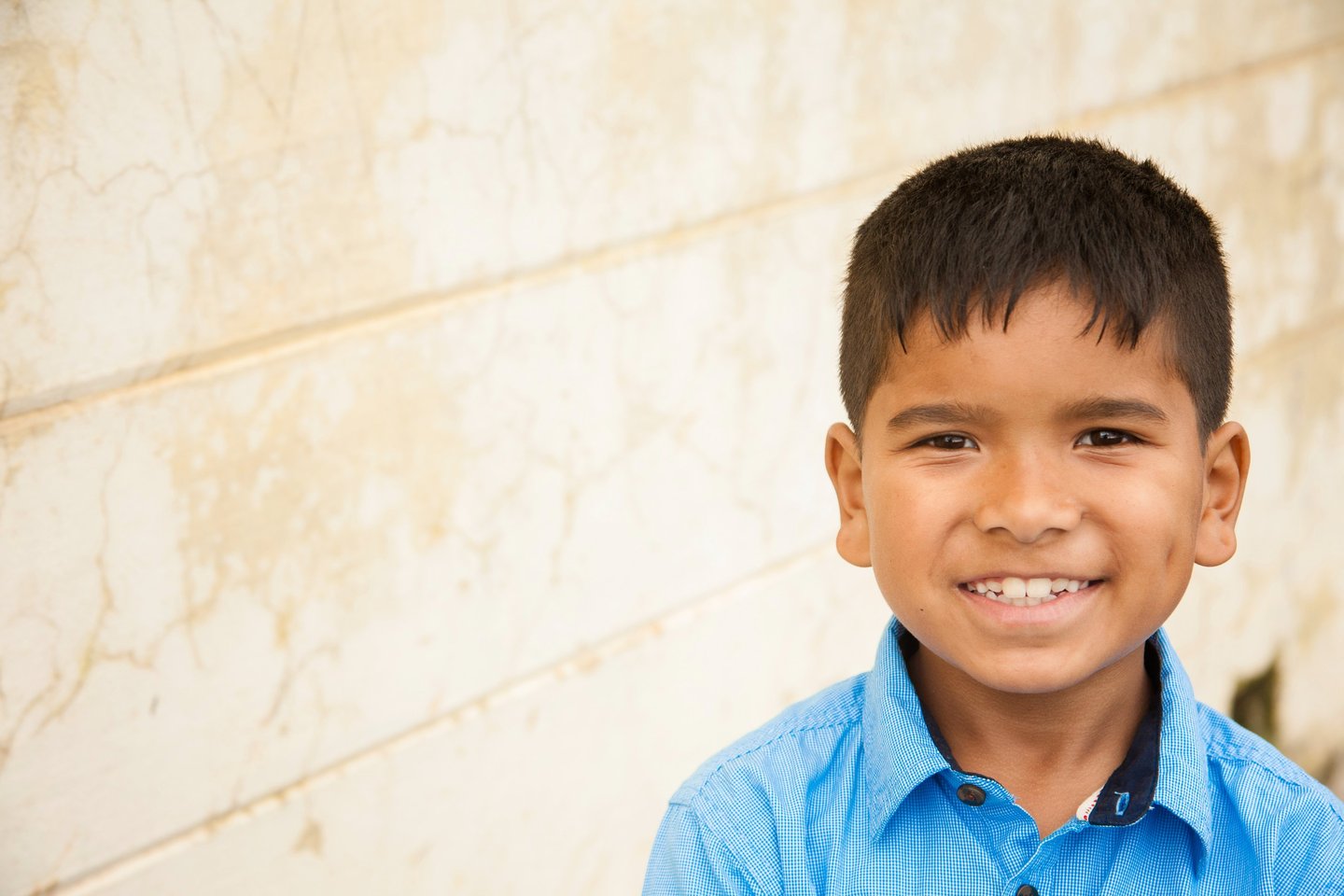




"Life skills enhance learning outcomes and integral development, and enable children and young people to engage in lifelong learning. Thanks to such key competences, young people grow into critical and engaged adults who are capable and competent to realise their own life plans responsibly and successfully."
-UNICEF


eduqarte.org │ info@eduqarte.org
Deutsch ● English ● Español ● Français ● Italiano ● Português
(C) 2026 eduQarte. All rights reserved.